Digital Learning Day 2026: How AI & Technology Are Transforming Education in India
Digital Learning Day 2026 highlights how AI, personalised learning, and digital innovation are reshaping education in India. Explore key trends, challenges, and the future of student-focused learning.

Digital Learning Day 2026: Not Just Digital, but Directional
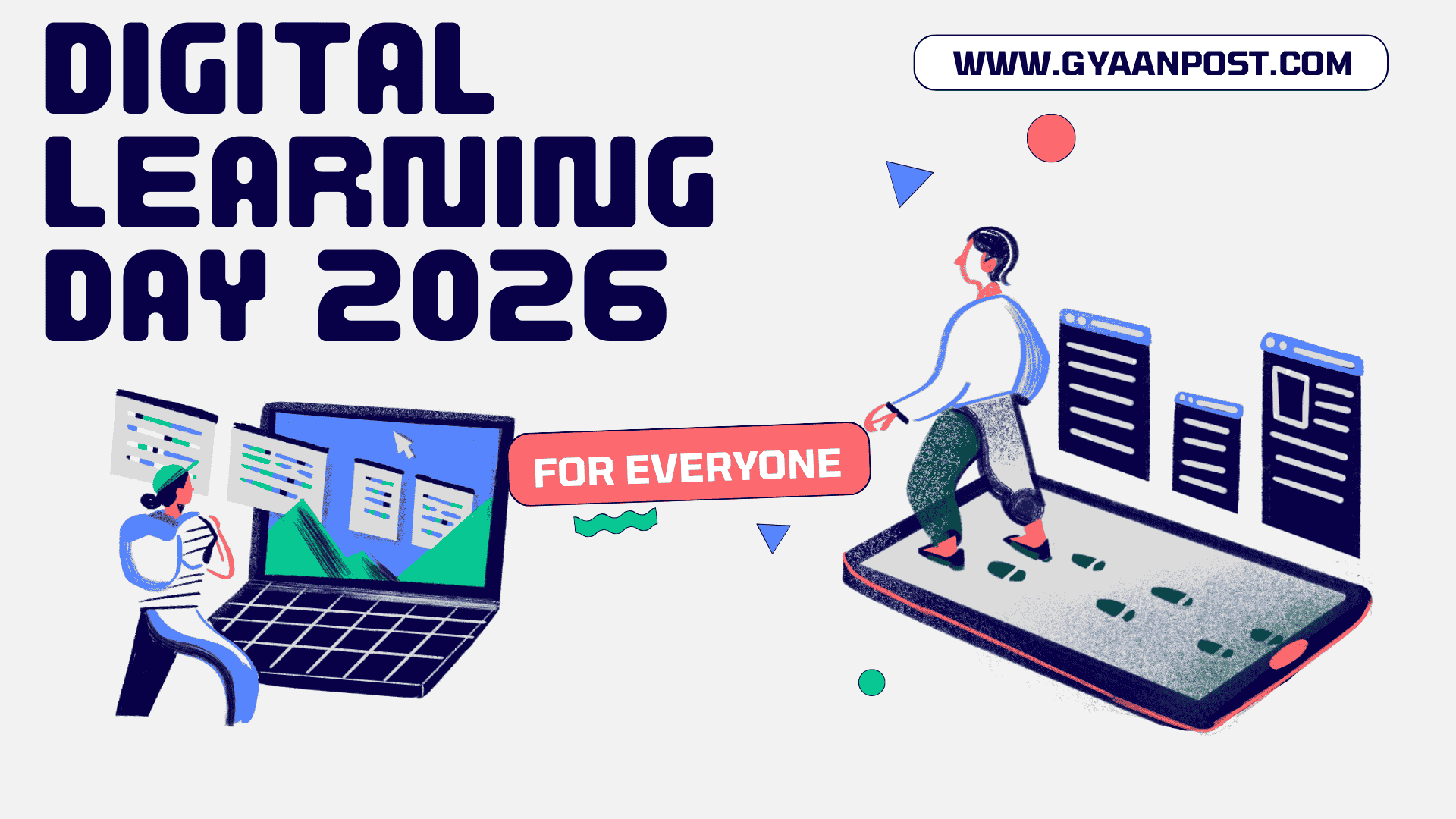
Digital Learning Day 2026 reflects a turning point in how education is understood and delivered. The conversation has moved beyond asking whether technology belongs in education. The real focus is now on how technology can be used with purpose, ethics, and clarity to improve learning outcomes. Across India, education leaders are redefining classrooms through personalised learning, responsible use of artificial intelligence, and stronger connections between education and employability.
Technology is no longer treated as an extra layer added to traditional teaching. It is becoming a structural foundation that supports access, inclusion, and continuous skill development. The transformation highlighted on Digital Learning Day is not about screens or devices. It is about direction, where education shifts from one-size-fits-all delivery to learner-centered experiences designed for real-world success.
The Changing Landscape of Digital Learning in India
India’s education system has undergone a major digital transformation in recent years. Policy reforms, infrastructure growth, and the expansion of online learning platforms have made education more accessible to students across diverse regions. The National Education Policy 2020 has encouraged flexible learning models, digital integration, and skill-based education, creating a strong foundation for modern learning environments.
Digital platforms are enabling students to learn beyond classroom walls. Discussion boards, virtual labs, interactive simulations, and recorded lectures are making education more flexible and adaptable. Students can revisit concepts, learn at their own pace, and access resources regardless of geographic location. This shift reduces dependency on physical infrastructure alone and opens opportunities for learners who previously faced limitations due to distance or availability of quality institutions.
However, digital learning is not simply about adopting technology. Institutions are now focusing on using technology strategically to improve pedagogy, strengthen engagement, and enhance outcomes.
Rethinking Pedagogy for the Digital Age
The most significant change brought by digital learning is pedagogical. Traditional models often relied on uniform instruction delivered to large groups of students. Digital tools allow educators to move toward personalised learning experiences that adapt to individual needs.
Learning analytics and artificial intelligence help educators understand student performance in real time. Teachers can identify learning gaps early, provide targeted feedback, and adjust instruction accordingly. Digital simulations and case-based learning approaches encourage problem-solving and critical thinking rather than passive memorisation.
When technology supports pedagogy instead of replacing it, students benefit from deeper engagement. Educators gain better visibility into learning progress, and institutions can design more effective academic strategies. The goal is not to automate teaching but to empower teachers with better tools.
Personalised Learning and Responsible AI
Artificial intelligence is increasingly shaping digital learning ecosystems. AI-powered platforms can recommend learning resources, adjust difficulty levels, and create adaptive pathways based on student performance. This creates a more personalised learning journey where students progress according to their understanding rather than a fixed timeline.
At the same time, responsible AI use remains critical. Education institutions must ensure transparency, fairness, and data privacy while using digital tools. Ethical implementation builds trust among students, teachers, and parents. Without clear governance, technology risks creating new inequalities instead of solving existing ones.
Responsible AI also means maintaining the human element in education. Teachers play a central role in guiding learning, interpreting data insights, and supporting students emotionally and academically. Technology enhances this role rather than replacing it.
Digital Learning as a Driver of Equity and Access
One of the strongest promises of digital learning is its ability to expand access. High-quality educational content is no longer limited to major cities or elite institutions. Students in rural and underserved areas can access lectures, skill-based courses, and learning communities that were previously unavailable.
Online learning platforms, hybrid classrooms, and mobile-based education models have helped bridge gaps between urban and rural learners. Digital education also supports learners who require flexible schedules, including working professionals and distance learners.
However, true equity requires more than access to content. Reliable internet connectivity, affordable devices, teacher training, and digital literacy remain essential factors. Institutions and policymakers must continue investing in infrastructure and training to ensure digital learning benefits all students equally.
Blending Tradition with Innovation
Digital transformation does not mean abandoning educational values or cultural identity. Many institutions are successfully blending traditional teaching approaches with modern digital tools. Case-based pedagogy, collaborative projects, and industry-focused learning models can coexist with cultural and ethical education.
This balanced approach helps students develop both technical competence and human-centered leadership qualities. Digital learning becomes most effective when it supports broader educational goals such as critical thinking, collaboration, and social responsibility.
Innovation works best when it respects the context in which students learn. Institutions that combine global best practices with local relevance are better positioned to create meaningful learning experiences.
Employability and Skills for the Future
The relationship between education and employment is changing rapidly. Employers increasingly value skills, adaptability, and problem-solving ability over traditional credentials alone. Digital learning plays a crucial role in closing this gap by offering practical, industry-aligned learning experiences.
Simulations, internships, project-based learning, and online certifications allow students to build job-ready skills while still pursuing formal education. Learning pathways are becoming more flexible, allowing students to acquire competencies relevant to specific career goals.
This shift signals a broader movement toward competency-based education. Success is measured by what learners can do rather than how long they spend in classrooms. Digital platforms make it easier to track progress, demonstrate skills, and connect education outcomes with industry needs.
Human Confidence in a Digital Environment
While technology often dominates discussions about digital learning, the most meaningful outcomes remain deeply human. Digital platforms can create safe spaces for participation, allowing students who hesitate in traditional classrooms to engage more confidently.
Interactive forums, collaborative tools, and personalised feedback encourage students to express ideas and develop communication skills. When combined with thoughtful teaching, digital learning can strengthen confidence and motivation.
Education leaders increasingly recognise that technology should empower students rather than overwhelm them. The focus must remain on building curiosity, resilience, and lifelong learning habits.
read : https://www.gyaanpost.com/it-job/no-ai-no-job-why-recruiters-now-expect-ai-skills-in-hiring
Challenges That Institutions Must Address
Despite rapid progress, digital learning presents several challenges that institutions must manage carefully. Teacher readiness remains a key factor. Educators need continuous training to effectively integrate technology into pedagogy. Without proper support, digital tools risk becoming underused or misapplied.
Data privacy and cybersecurity are also major concerns. Institutions must establish clear policies for data collection, storage, and usage to maintain trust and protect student information.
Another challenge is maintaining engagement in digital environments. Students may experience fatigue or distraction if digital experiences are poorly designed. Institutions must focus on active learning strategies that keep students involved and motivated.
Addressing these challenges requires long-term planning, collaboration, and leadership commitment.
The End of One-Size-Fits-All Education
Digital learning is challenging traditional models where large groups of students follow identical pathways. Today’s learners have diverse career goals, learning preferences, and skill requirements. Technology allows education to adapt to these differences.
AI-driven pathways, modular courses, and flexible learning structures enable institutions to tailor education to individual aspirations. This shift represents a fundamental change in how education is designed and delivered.
Instead of treating students as batches moving through fixed systems, institutions are beginning to recognise each learner’s unique journey. The technology exists to make this possible. The real challenge lies in institutional willingness to redesign systems around learners rather than administrative convenience.
read more : https://www.gyaanpost.com/news/cbse-practical-internal-marks-upload-deadline-feb-14-2026
Digital Learning Day 2026: A Moment of Reflection
Digital Learning Day is not merely a celebration of technology. It is an opportunity for reflection. The tools are available, the platforms are scalable, and the potential for transformation is immense. The real question is whether institutions are prepared to rethink their structures, teaching models, and priorities.
Education is moving toward a future where learning is personalised, skills-focused, and continuous. Technology plays a powerful role, but human intention determines its impact. Institutions that embrace responsible innovation, invest in educators, and prioritize student outcomes will lead this transformation.
The future of education is already unfolding. Digital learning is not just about being online. It is about moving in the right direction, creating systems that are inclusive, adaptive, and prepared for a rapidly changing world.
Conclusion
Digital Learning Day 2026 signals a clear shift in educational thinking. Technology is no longer the headline. Purposeful learning design, ethical innovation, and learner-focused systems now define success. As India’s education ecosystem evolves, the focus must remain on building confidence, equity, and employability through meaningful digital integration.
The transformation is not simply digital. It is directional. Education is moving toward a future where every learner has the opportunity to follow a personalised path, develop relevant skills, and thrive in a world shaped by constant change.
Frequently Asked Questions
What is Digital Learning Day and why is it important in 2026?
Digital Learning Day is an initiative that highlights how technology is improving education through innovation, accessibility, and modern teaching methods. In 2026, its importance lies in the growing use of AI, personalised learning, and digital tools that help institutions deliver more flexible, inclusive, and skill-focused education.
How is AI transforming digital learning in education?
Artificial intelligence is transforming digital learning by creating personalised learning pathways, offering real-time feedback, and helping educators identify student learning gaps. AI-powered tools also reduce administrative workload, allowing teachers to focus more on teaching and student engagement.
What are the main benefits of digital learning for students?
Digital learning improves access to quality education, supports self-paced learning, and increases engagement through interactive content such as simulations and virtual classrooms. It also helps students develop digital skills and critical thinking abilities needed for future careers.
What challenges do institutions face in adopting digital learning?
Common challenges include teacher training, digital infrastructure gaps, internet accessibility, data privacy concerns, and maintaining student engagement in online environments. Successful digital learning requires both technology and strong pedagogical planning.
How does digital learning improve employability and future skills?
Digital learning connects education with real-world skills through industry projects, simulations, and skill-based courses. This approach helps students build practical competencies, making them more prepared for evolving job markets and lifelong learning.